Parkland Gated Communities Amenities, Costs & Rules
November 27, 2025
November 27, 2025
Thinking about a home in a Parkland gated community? The right amenities can elevate your daily life, but they also affect your HOA fees, insurance, and long-term costs. If you understand what to look for and which questions to ask, you can choose a neighborhood that fits your lifestyle and your budget. This guide walks you through common amenities in Parkland, how they are managed, and the due diligence that helps you buy with confidence. Let’s dive in.
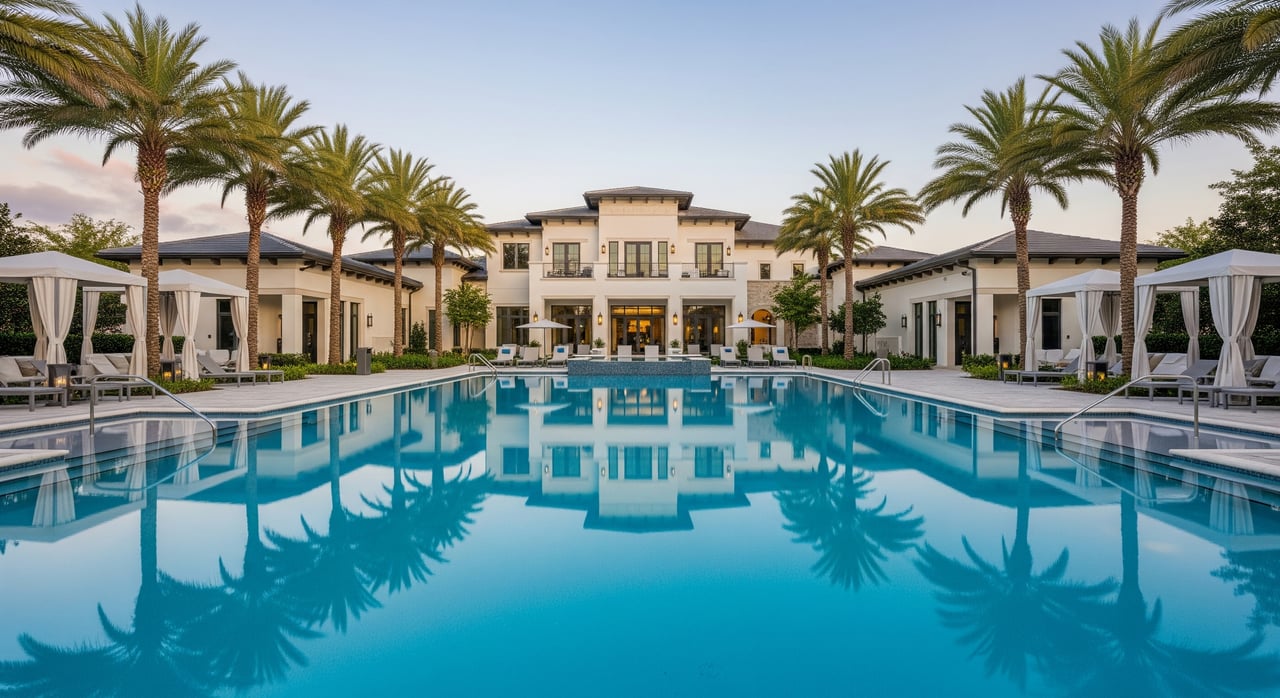
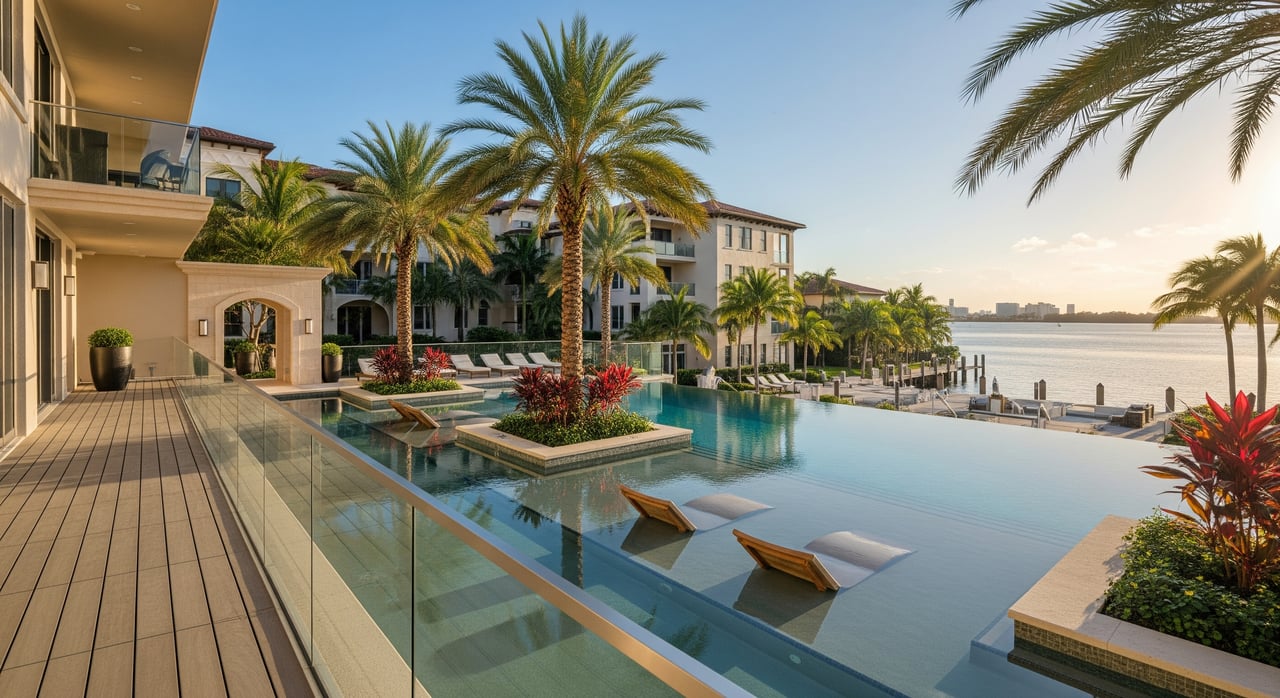
Parkland neighborhoods often center life around recreation. You will see clubhouses and community centers that host events and fitness classes, along with resort-style pools (often with splash areas for younger swimmers) and lap pools. Many communities include fitness centers or group exercise studios.
Outdoor courts are common. Expect tennis, pickleball, basketball, and multi-use courts, with pickleball growing in popularity across South Florida. You may also find playgrounds and tot lots, plus walking and biking trails that connect pocket parks and natural preserves. Some neighborhoods are golf-adjacent or country-club style, and larger developments can offer on-site dining or catering for residents.
Security features vary and can influence monthly fees. Options include guarded entry gates with staffed booths or electronic access systems using fobs, RFID, intercoms, guest codes, or mobile apps. Communities often add perimeter walls or fencing, monitored cameras, and lighting, plus visitor management systems with pre-registration and policies for guests. Many Parkland developments have private internal roads with restricted access to community streets.
Behind the scenes, the HOA often coordinates landscaping, irrigation, and common-area maintenance. Some communities maintain an on-site management office or use a professional property management company. You may see package rooms or mail facilities, and larger neighborhoods sometimes run community shuttle services. Many HOAs provide online portals to reserve amenities and track rules and calendars.
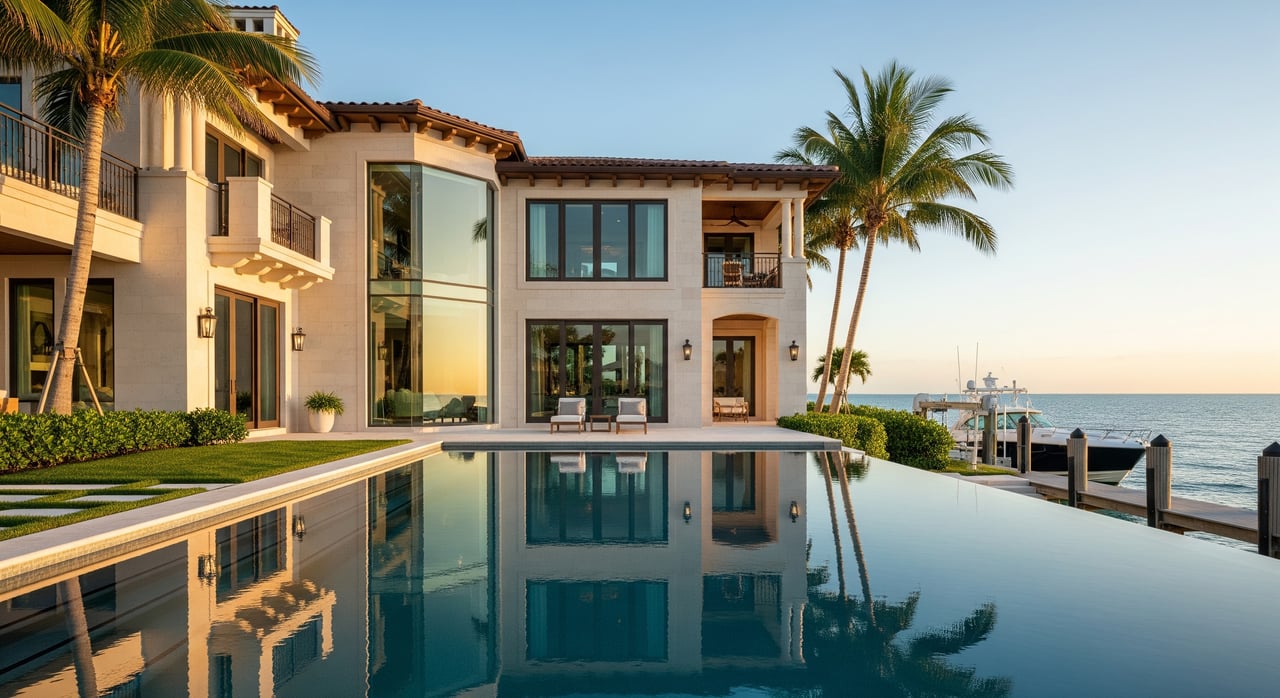
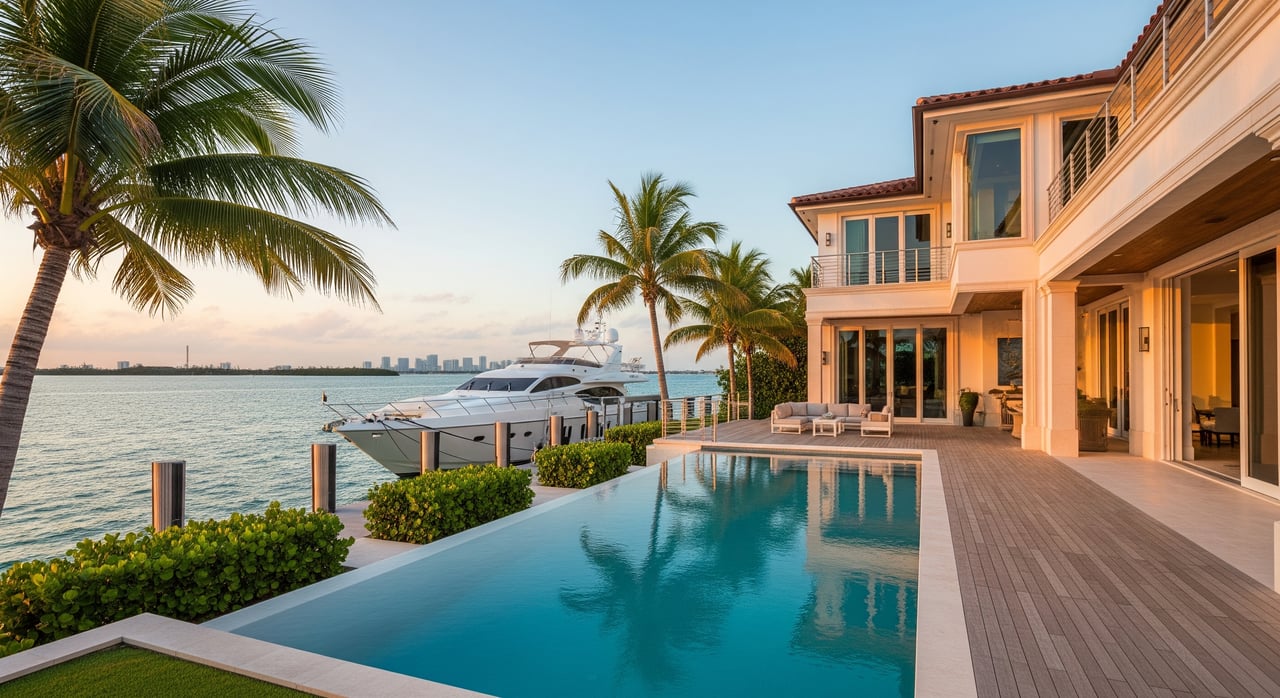
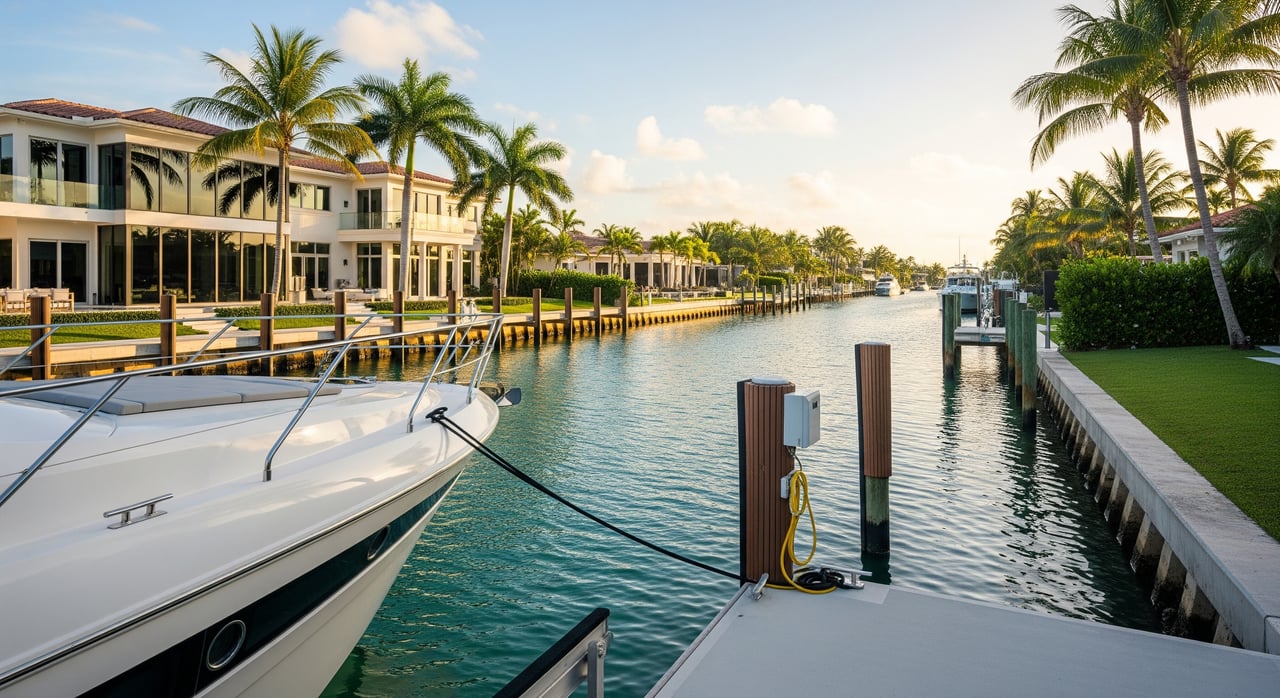
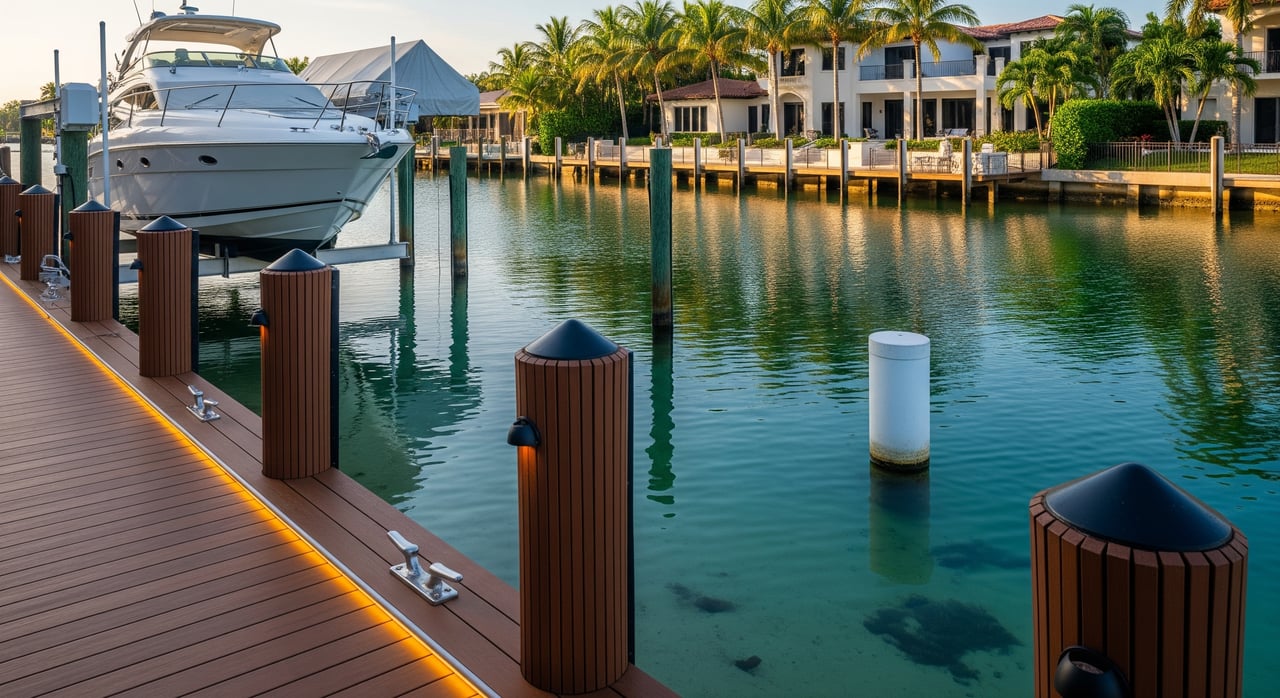
A few Parkland areas offer equestrian facilities, especially in larger-lot or semi-rural settings. You may also see environmental and conservation features, such as preserved wetlands, native landscaping, and stormwater management areas. Marina or boating amenities are less common inland, though you may find them in nearby waterfront communities.
Amenities shape both your lifestyle and your carrying costs. Elaborate packages, like clubhouses, staffed security, and pool complexes, generally mean higher HOA dues and more robust reserve needs. If capital projects are planned, you could see special assessments.
To weigh value, match the package to how you actually live:
For broader context on buyer demand for outdoor amenities and security features across South Florida, review market guidance from Florida Realtors and the National Association of Realtors.
Protect your interests by collecting the right documents and answers. Request these from the HOA or management before you finalize terms:
Policies can determine how, when, and by whom amenities are used. Review guest access rules, amenity hours, and reservation procedures for clubhouses, courts, and event spaces. Confirm pet policies, parking guidelines, and any rental restrictions. Strong, consistently enforced rules often translate to well-maintained spaces and a smoother resident experience.
Ask the association for its insurance certificates and a written summary of owner requirements. The HOA typically insures common areas and related liability, while owners carry individual policies (for example, HO-3 or HO-6). If you are evaluating flood exposure, check FEMA’s flood maps and resources and speak with your insurance professional about coverage options.
Pools and fitness facilities add enjoyment, and they also increase liability exposure. Associations must follow state and local health and building codes for pool operation, fencing, and safety signage. Ask for maintenance logs and protocols for lifeguards or posted rules, especially in high-traffic seasons.
South Florida’s climate impacts budgets and upkeep. Sun, salt air, and storms can accelerate wear on exterior finishes, roofing, paving, pool equipment, and landscaping. Ask how often the HOA updates its reserve study, and how storm-related repairs are funded. For construction standards and code updates, consult the Florida Building Code resources.
Roads inside a gated neighborhood may be private and maintained by the association, or public and maintained by the city or county. Road status affects maintenance costs, signage, and access policies. Confirm the status on the plat map and with local records.
In Broward County, HOAs coordinate with fire rescue and law enforcement for emergency gate access. Ask about responder access methods and backup power procedures for gates, especially during outages. For county-level services and public safety context, refer to Broward County’s official site.
If you plan renovations or if the HOA is upgrading amenities, permits and inspections will flow through the City and County. The City of Parkland is your starting point for local permits and zoning information.
Florida law treats homeowners’ associations, condominium associations, and cooperatives differently. Meeting rules, reserves, voting procedures, and owner rights can vary by entity type. Confirm the structure, then review the governing documents and financials accordingly. For statutory references, visit the Florida Legislature’s website. You can also verify association corporate filings on Sunbiz, Florida’s Division of Corporations.
If Parkland’s gated lifestyle fits your goals, take a practical path forward:
When you are ready, bring your shortlist and questions. As your local advisor, I can help you interpret the documents, align costs with your lifestyle, and negotiate with clarity. If you want a tailored search and hands-on guidance in Parkland and nearby markets, reach out to Rachel Hutchings to schedule a free consultation.
Stay up to date on the latest real estate trends.
If you're ready for a dedicated real estate partner who will champion your success, let's connect and discuss how I can help you begin your next chapter.