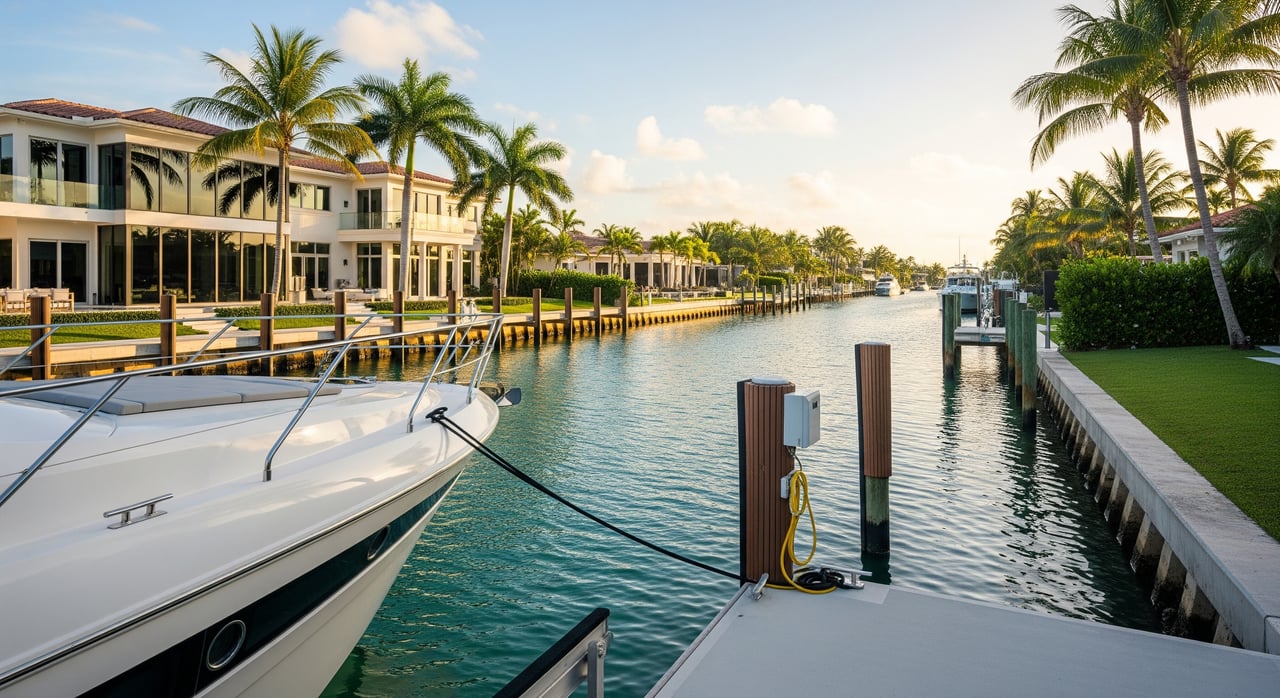
Boat Access Factors in Pompano Beach Canals
December 18, 2025
December 18, 2025
Buying a canal-front home in Pompano Beach sounds like the perfect way to live the boating lifestyle. But not every canal offers the same kind of access, depth, or protection. If you want smooth trips to the Intracoastal and ocean, you need clear answers before you buy or sell. In this guide, you’ll learn the key factors that determine boat access, what to verify locally, and the checklists smart buyers and sellers use in Broward County. Let’s dive in.
Pompano Beach’s canals generally connect to the Atlantic Intracoastal Waterway and then to the Atlantic Ocean. The exact route matters. Canal orientation, connection points, and nearby bridges can change your travel time and your boat options.
“Canal-front” does not automatically mean open ocean access. You should confirm how your specific canal links to the Intracoastal, whether there are fixed bridges, and what the controlling depths are along the way. Nearby conveniences like public ramps, fuel docks, and haul-out options also affect day-to-day enjoyment and future resale appeal.
For navigation planning, boaters typically rely on nautical charts, city or county canal maps, and real-time local knowledge from nearby marinas. Always verify bridge clearances and depths with authoritative sources before committing to a property.
Depth at mean low water near the dock is one of the most important numbers you will gather. It limits your maximum draft and influences the size and type of boat you can keep at the property. Depth can change with seasonal conditions and shoaling, so get recent measurements rather than relying on historic notes or owner estimates.
Ask for recent soundings, sonar readings, or community survey data. If dredging happened in the past, find out when and how much depth was restored. You want a clear picture of present conditions, not just what was true years ago.
Narrow canals limit boat length and beam. Properties with ample width or a nearby turning basin make maneuvering easier and reduce the risk of scuffed hulls or stressful docking. Consider the practical difference between a trailer-launched runabout and a larger powerboat or mast-equipped vessel. The bigger the boat, the more important the turning room.
If your route passes under fixed bridges, vertical clearance determines mast height and antenna limits. If a drawbridge is involved, check opening schedules and any restrictions. Even with powerboats, antennas, T-tops, and tower setups can create clearance issues. Always verify bridge heights on authoritative charts or local government resources.
The age, material, and condition of the seawall matter for safety, insurance, and future costs. A well-maintained seawall helps with secure docking and flood resilience. Review inspection reports, repair history, and expected remaining life. Seawall work often requires permits, so confirm whether repairs or replacements were properly approved.
Properties close to busy channels or open fetch are exposed to more wake and wave energy. That can mean heavier-duty pilings, upgraded fendering, and more routine maintenance. If the property sits on a bend or near a high-traffic stretch of the Intracoastal, expect more motion at the dock and plan your infrastructure accordingly.
Most residential canals experience some shoaling over time. Maintenance dredging may be required to keep usable depth, and it can be expensive. It is also regulated. You should find out who is responsible for dredging, how costs are shared, and whether any special assessments are pending.
Request records of the last dredge date, permits, and disposal methods used for dredged material. If an HOA manages the canal, review the bylaws and recent communications for any dredging plans or funding votes.
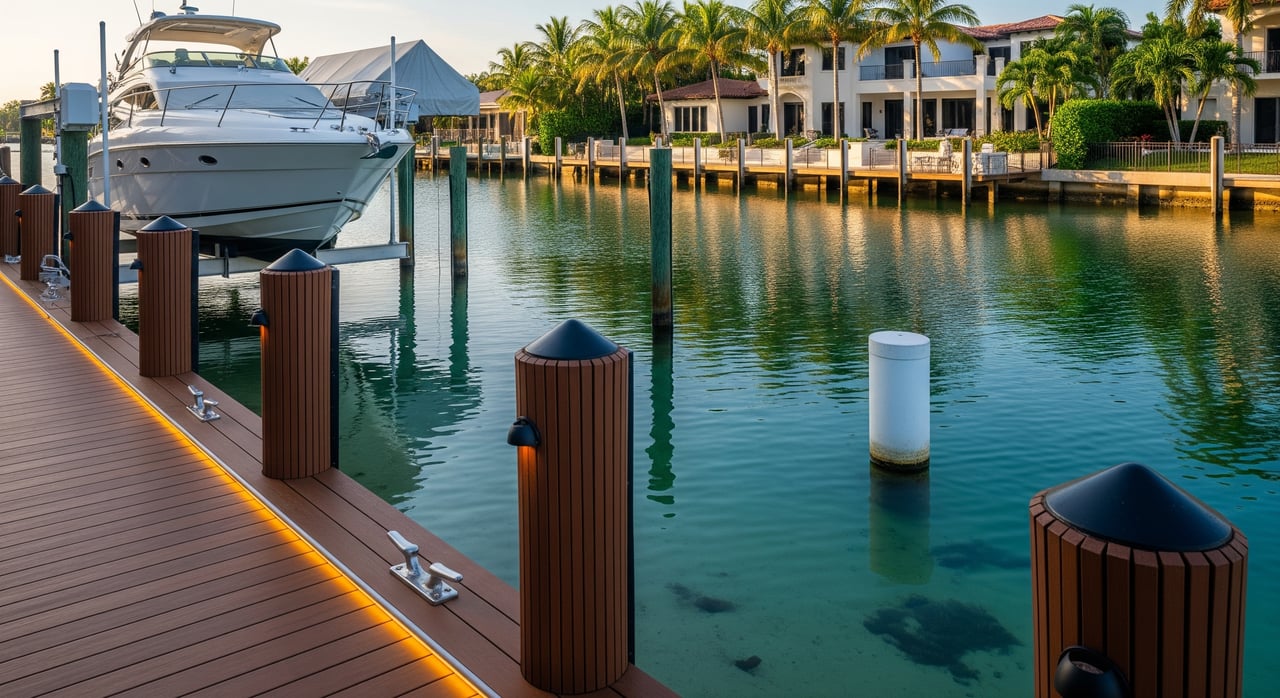
The dock and lift setup determines what actually fits at the property. Confirm what exists today and match it to your boat’s specs.
Key items to document:
Waterfront improvements are not a free-for-all. Docks, lifts, pilings, seawalls, and dredging typically require permits and may involve multiple agencies. In Pompano Beach and Broward County, the city, county, and state all play a role, and some projects also require federal authorization.
Common authorities and contacts include:
Environmental protections can affect timing and scope. Seagrass and hardbottom habitats are protected, and work windows may be limited to avoid impacts on manatees or nesting wildlife. Water quality rules govern turbidity and runoff during construction. Ask early about permitting timelines so you can plan projects without costly delays.
Waterfront ownership comes with extra insurance questions and storm prep. Start by confirming the flood zone and whether you have a current elevation certificate. Marine and homeowners policies may set requirements for seawall conditions, dock maintenance, and boatlift anchoring.
For storms, focus on wind and wave loads, proper tie-downs, and hauling plans. Local marinas can fill quickly before a named storm, so know your haul-out or high-and-dry options in advance. Clarify responsibility for any post-storm debris in your canal and understand local rules for cleanup.
Use this checklist during showings and inspections:
If you are listing a canal-front home, strong documentation can add confidence and value:
Usable boat size and ease of access directly influence your buyer pool and pricing. A clear route to the Intracoastal with adequate depth, no restrictive bridges for your vessel type, and a well-documented, permitted dock system increases market appeal. Buyers often value “turnkey” properties that are boat-ready on day one.
On the flip side, restrictive covenants, uncertain dredging liabilities, or unpermitted structures can reduce buyer confidence and lead to discounts. Proactive documentation and clarity on responsibilities make a real difference.
Use this simple process to compare canal homes in Pompano Beach:
Ready to compare your short list or prepare a clean, compelling listing package? Let’s talk about the right strategy for your goals.
If you want a local, concierge-style plan for buying or selling on the canals in Pompano Beach, reach out to Rachel Hutchings for a quick, no-pressure consultation.
Stay up to date on the latest real estate trends.



If you're ready for a dedicated real estate partner who will champion your success, let's connect and discuss how I can help you begin your next chapter.