
Boca Raton Condo HOA Fees: What Savvy Buyers Should Know
November 14, 2025
November 14, 2025
Are you weighing a Boca Raton condo and wondering if the HOA fee is worth it? You are not alone. HOA assessments can shape your monthly budget, affect loan approval, and even signal how well the building is cared for. In this guide, you will learn what condo fees typically cover in Boca Raton, why fees vary from building to building, how increases and special assessments happen, and the due diligence steps that protect you before you buy or sell. Let’s dive in.
Your monthly assessment funds the shared upkeep that keeps the property safe and functional. Typical line items include roofing and exterior maintenance, elevator service, lighting, parking areas, landscaping, pools, and walkways. Fees also support janitorial services for common spaces and routine repairs that prevent small issues from becoming big problems.
Most associations carry a master property and liability policy for the building. In Florida’s coastal market, windstorm coverage can be a major cost driver. The master policy does not usually cover your personal belongings or interior finishes. You will likely need your own HO‑6 policy for interiors and contents, and separate flood insurance may be required depending on the flood zone.
Some Boca Raton condos include communal water, sewer, trash, or gas in the fee. Electricity for common areas is standard, while electricity inside your unit is usually separate. Many buildings negotiate bulk cable or Internet contracts that are bundled into the fee. Always confirm what is and is not included so your budget reflects the true monthly cost.
A full-service building with a staffed front desk, valet, on-site management, or concierge will cost more to operate. Fitness centers, clubhouses, tennis courts, multiple pools, and active social programming can also raise the fee. Amenities improve daily living, yet they add ongoing staffing, maintenance, and utility expenses.
Your association fee does not cover your mortgage, your property taxes, or your personal unit insurance. It also does not include one-time special assessments, which are billed separately for big capital projects or emergencies. Plan for both the recurring fee and potential special assessments when evaluating affordability.
Boca Raton’s ocean and Intracoastal properties face salt-air corrosion and stronger wind exposure. That often means more frequent exterior maintenance and higher insurance premiums. Waterfront settings may deliver premium lifestyle value, yet the operating reality can translate into higher monthly assessments.
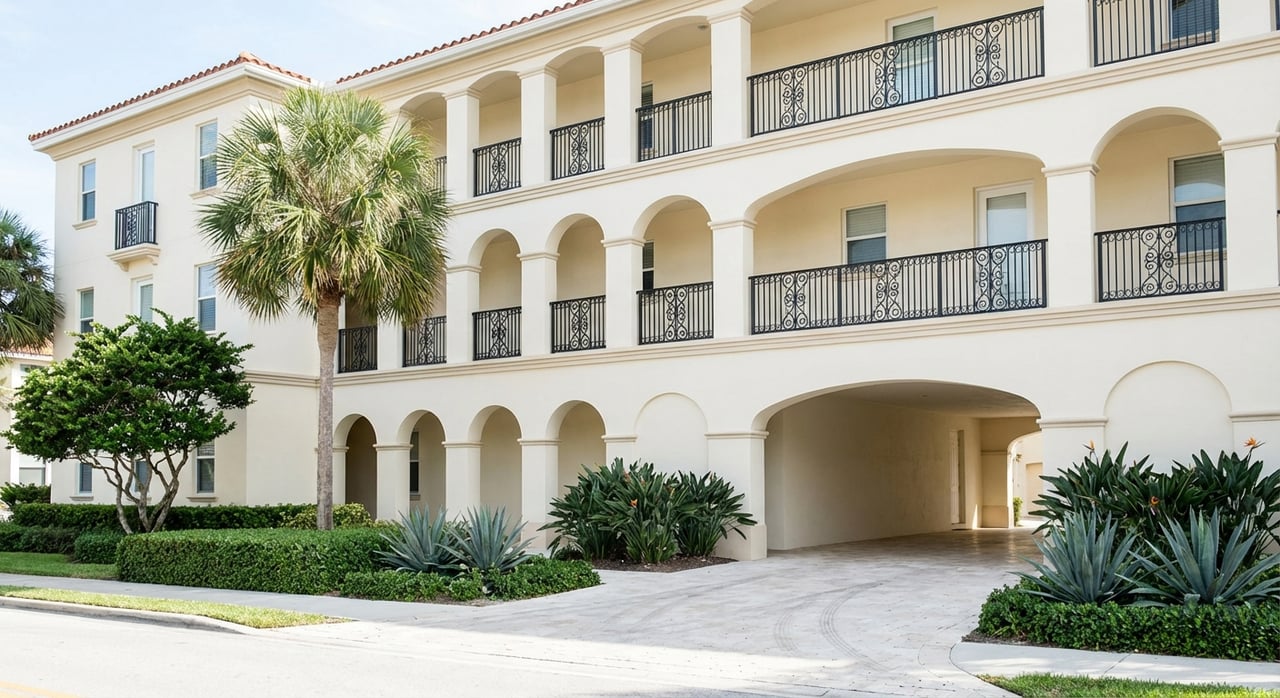
Older buildings typically require more ongoing maintenance and larger reserve contributions for roof, facade, and system replacements. Mid-rise and high-rise buildings with elevators and centralized systems also have higher operating costs than low-rise walkups. Age and height matter when you compare fees across communities.
A luxury tower with doormen, valet, multiple pools, and extensive programming will have a larger budget than a modest inland complex. Decide which amenities you will truly use. If you want lower fees, focus on communities with simpler amenity packages and lean staffing.
Florida’s insurance market is more volatile than many states. Premium increases and carrier changes can push association costs higher from one year to the next. Properties in FEMA flood zones may require flood insurance at the association or owner level, which affects your overall cost picture.
Professionally managed associations pay management fees. Volunteer-run boards may have lower administrative costs, but results vary. Transparent financials, consistent board leadership, and proactive planning tend to reduce surprises over time.
Each year, the board adopts a budget that outlines operating expenses and reserve contributions. Your share of assessments is based on the allocation method in the condo declaration, often a percentage tied to unit size or an ownership fraction. Review the most recent budget and year-to-date financials to see how the fee is calculated and where the money goes.
Reserves are the savings account for big-ticket replacements, such as roofs, elevators, and exterior painting. A reserve study is an engineering and financial analysis that estimates useful life and replacement costs for these components, then recommends annual funding. Healthy reserves reduce the risk of large special assessments and are a key sign of long-term planning.
Boards can raise assessments following procedures in the governing documents and Florida statutes. Some increases require only a board vote, while larger changes may require owner approval. Read meeting minutes and past budgets to spot fee trends and understand the approval process in your building.
Special assessments are one-time or limited-duration charges for unplanned expenses or major capital projects. Common triggers include structural repairs, roof replacements ahead of schedule, or insurance shortfalls after a claim. Associations may also take out loans for big projects and collect the repayment through special assessments.
Under the Florida Condominium Act (Chapter 718), associations can charge late fees and interest, place liens, and in some cases foreclose for unpaid assessments after proper notice. Understanding these rules protects you as an owner and helps you evaluate association stability.
Before you commit, request the full resale disclosure package. It should include the current assessment amount, the operating budget, reserve details, and any pending or recently approved special assessments. Also ask for recent financial statements, board and annual meeting minutes, the certificate of insurance, the declaration and bylaws with amendments, any litigation disclosures, and vendor or management contracts. An estoppel letter at closing confirms the unit’s standing and fee status.
Gather your association’s most recent budget, reserve schedule, meeting minutes, certificate of insurance, and any notices about special assessments or capital projects. Buyers and lenders will ask for them. Having a clean, complete package shortens timelines and builds trust.
Be ready to explain what your fee covers and why it is aligned with the building’s age, amenities, and location. If your association has completed recent structural inspections or reserve studies, highlight those. Transparency reduces friction during contract and helps protect your sale price.
Boca Raton has a mix of inland and waterfront condos, luxury towers, age-varied communities, and some 55+ options. Coastal exposure, building age, amenities, and the statewide insurance environment all influence fees. After the Surfside tragedy in 2021, Florida placed more focus on structural inspections, reserve visibility, and transparency. Stay current with the Florida Condominium Act (Chapter 718), the Florida Department of Business and Professional Regulation’s condominium guidance, the Community Associations Institute for best practices, FEMA flood maps for zone checks, the Palm Beach County Property Appraiser for parcel data, and the City of Boca Raton for local ordinances and building department updates.
You do not have to decode HOA fees on your own. If you want a clear read on a specific Boca Raton building, I can help you review the budget, reserves, insurance, minutes, and any special assessments so you know exactly what you are buying. If you are selling, we will package your association documents in a way that answers buyer questions fast and keeps your deal moving.
Ready to talk through a building’s fee, reserves, and risk profile? Schedule a free consultation with Unknown Company and get a clear plan for your next step.
Stay up to date on the latest real estate trends.




If you're ready for a dedicated real estate partner who will champion your success, let's connect and discuss how I can help you begin your next chapter.