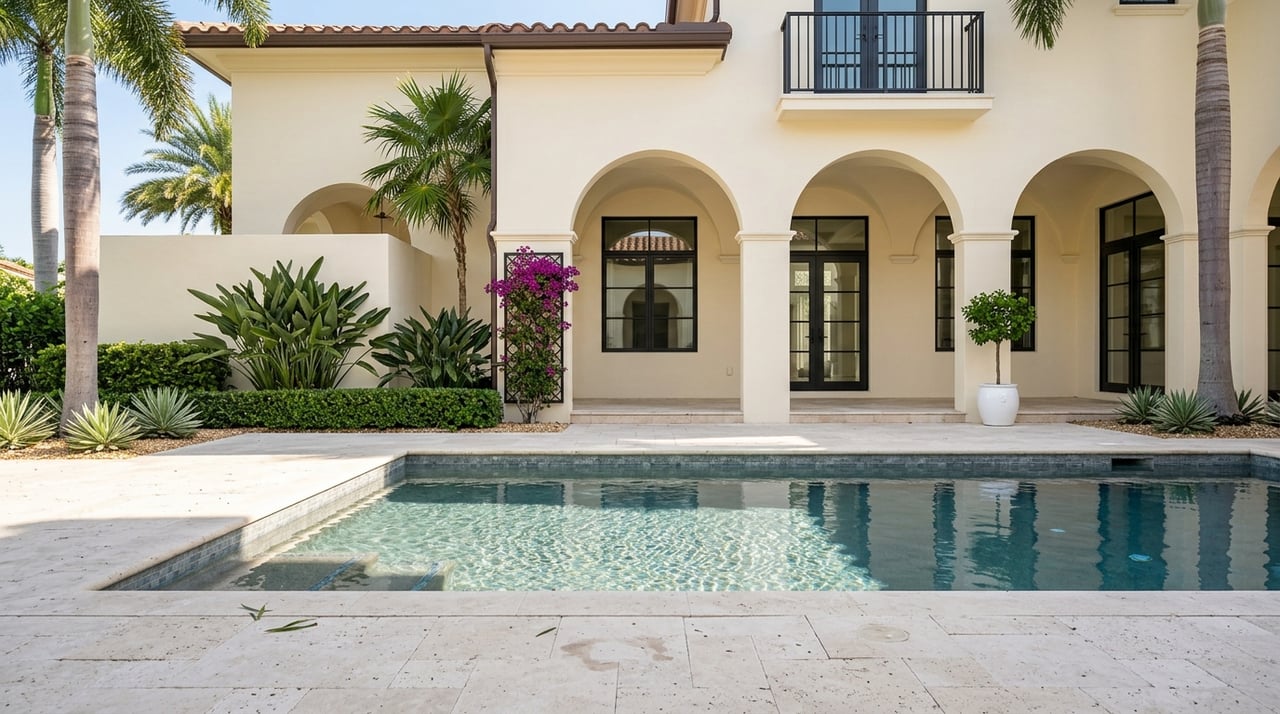
Selling Your Parkland Home Before Relocating Out Of State
May 21, 2026
May 21, 2026
If you’re moving out of state, selling your Parkland home can feel like two full-time jobs at once. You are trying to plan a move, protect your timeline, and still make smart decisions about pricing, prep, paperwork, and closing. The good news is that with the right plan, you can stay organized, reduce stress, and keep your sale moving even after you leave Florida. Let’s dive in.
When you are relocating, timing matters even more than usual. In Parkland, the Q1 2026 median time to contract for single-family homes was 52 days, with a median sale price of $1,177,500 and 3.7 months of supply. That tells you this is not a market to treat as a last-minute project.
Parkland also sits well above the Broward County median sale price of $615,000. In a premium market like this, presentation, condition, and launch timing can have a real impact on buyer response. If you know a move is coming, it makes sense to begin preparing well before your target departure date.
Once you leave Florida, even simple tasks can become harder. Letting in a photographer, meeting a repair vendor, signing updated paperwork, or answering questions about the home can take more coordination when you are no longer nearby.
That is why it helps to front-load as much as possible before the move. If you can complete repairs, declutter, organize access, and gather key records before you relocate, you give yourself a smoother path once the home is listed.
Buyers notice deferred maintenance, especially in higher-price segments where expectations are often elevated. If you already know about small issues like paint touch-ups, loose hardware, minor plumbing concerns, or damaged screens, handling them early can help the home show more cleanly.
This also gives you more control over scheduling. Waiting until after you move may leave you juggling vendors from another state while also managing your new home setup.
Relocation gives you a natural reason to simplify. Removing excess furniture, personal items, and overfilled storage areas can make the home feel more spacious and easier to photograph.
It also helps with your move itself. Instead of packing everything and sorting later, you can use the listing process to decide what stays, what goes, and what should be donated or discarded.
Before you leave, collect the paperwork that may come up during the sale. That can include prior repair invoices, permits if applicable, utility details, appliance information, and association contacts.
Having these items ready can save time once a buyer starts asking questions. It also makes it easier to complete disclosures accurately and respond quickly during escrow.
If your Parkland home is in an HOA-governed community, early paperwork matters. In Florida, HOA associations must issue an estoppel certificate within 10 business days of a written or electronic request, and the certificate is generally effective for 30 days if delivered by hand or email and 35 days if mailed.
That timing is important for relocation sellers because estoppel documents can affect closing preparation. If your home is subject to an association, it is smart to request what is needed early and avoid letting this become a last-minute delay.
A move out of state can create pressure to list fast, but speed should not replace strategy. Parkland’s market metrics show a strong but still measured market, with homes taking a median of 52 days to go under contract and sellers receiving 95.0% of original list price in Q1 2026.
That means your launch should be thoughtful. Strong presentation, clean condition, and professional marketing can help your home compete well while supporting your pricing position.
If possible, schedule listing photography before you move or immediately after the home is fully prepared. That is usually easier when the property is clean, lightly staged, and under your direct supervision.
This fits especially well with a concierge-style selling approach. A polished visual presentation can help your home stand out online and create a stronger first impression with buyers.
Once the home is active, showing access should be easy and predictable. Clear instructions, a tidy interior, and a plan for pets, alarms, and gate access can make the process smoother for everyone.
If you have already moved, those details matter even more. A well-organized showing plan helps reduce disruptions and keeps buyer momentum going.
Moving away does not reduce your disclosure responsibilities. Florida law requires several disclosures at or before contract execution, and sellers also have a broader duty to disclose known material defects that are not readily observable and not known to the buyer.
For an out-of-state seller, this is one of the most important parts of the process to handle carefully. Good documentation and early preparation can help you avoid unnecessary stress later.
Florida requires a property-tax disclosure summary at or before contract execution. The summary tells buyers not to rely on the seller’s current taxes as a prediction of their future tax bill, because a change in ownership may trigger reassessment.
This is especially relevant when you are answering buyer questions from another state. It helps to understand that your current tax situation may not carry over to the next owner.
Florida also requires a flood disclosure form at or before contract execution. This includes whether you have filed flood insurance claims or received FEMA assistance.
The state also requires disclosure of known defects in the property’s sanitary sewer lateral before the contract is signed. If you are aware of issues in either area, they should be addressed accurately and on time.
Florida’s disclosure standard also includes known facts that materially affect value if those facts are not readily observable and not already known to the buyer. In practical terms, leaving the state does not change what you need to disclose.
If you know about a significant roof leak, drainage issue, plumbing defect, or another hidden problem, it should be handled appropriately. Clear, timely disclosure supports a smoother transaction and helps protect everyone involved.
When you are planning a move, it helps to build a realistic net sheet early. One Florida-specific closing cost sellers should understand is documentary stamp tax.
According to the Florida Department of Revenue, deeds and other documents that transfer an interest in Florida real property are subject to documentary stamp tax when recorded. In counties other than Miami-Dade, the rate is 70 cents per $100 of consideration.
For Broward County sellers, that can be a meaningful line item. Knowing this ahead of time can help you plan your moving budget and avoid surprises at closing.
If your Parkland property has a Broward homestead exemption, remember that the exemption is tied to your primary residence. Broward’s Property Appraiser states that homesteads do not transfer from property to property.
If you move, you must file a new application for your new residence and cancel the exemption on the former home. This is an easy item to overlook during a busy relocation, so it is worth adding to your checklist early.
Yes, it is possible to close after you leave Florida. Florida authorizes remote online notarization, and the validity of an online notarization is governed by Florida law regardless of the physical location of the signer or witnesses.
That said, remote closing still requires planning. Florida real property transfers have execution formalities, including signature requirements in the presence of two subscribing witnesses, so your title company and notary process need to be coordinated carefully.
Do not wait until the week of closing to ask how documents will be signed. If you know you will be out of state, confirm the plan as soon as the transaction is moving forward.
That gives the title team time to prepare the correct package and helps prevent delays tied to witness rules, notarization steps, or document delivery.
One more issue deserves special attention in a relocation sale: wire fraud. The CFPB warns that scammers may impersonate a real estate or settlement professional and send fake wiring instructions.
If you receive any wire directions, verify them using a phone number or contact method you already know is legitimate. Do not rely on last-minute email changes alone.
Even after the sale is complete, it helps to keep an eye on recorded documents. Broward County’s Recording Office offers a free Recording Notification Service that emails residents when conveyance or encumbrance documents are recorded.
That extra step can help you monitor activity tied to your property records after closing. It is a simple way to add peace of mind once you have moved on to your next home.
Selling your Parkland home before an out-of-state move is very doable, but it works best when you treat it like a step-by-step project. Start early, prepare the home before departure, organize your disclosures and association paperwork, and make your closing plan well in advance.
In a market like Parkland, where values are high and presentation matters, careful preparation can help you protect both your timeline and your result. If you want personalized guidance and a concierge-style selling experience, Rachel Hutchings can help you plan your next move with clarity and confidence.
Stay up to date on the latest real estate trends.






If you're ready for a dedicated real estate partner who will champion your success, let's connect and discuss how I can help you begin your next chapter.