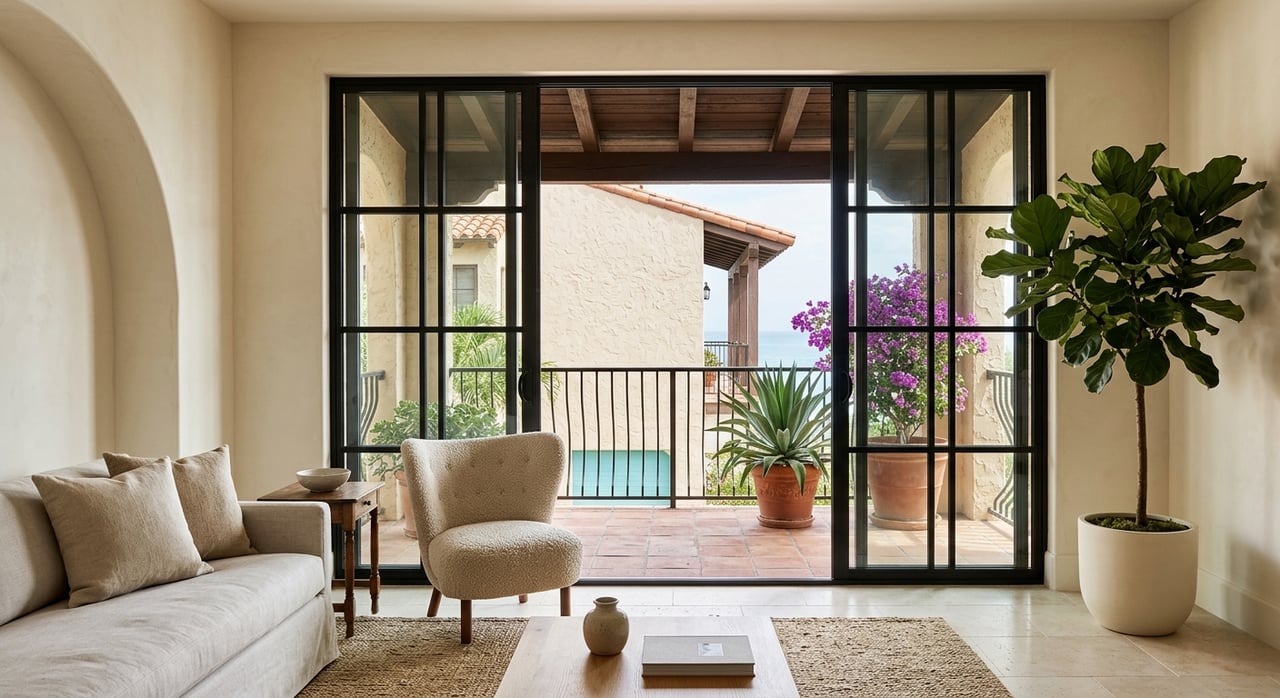
Buying An Oceanfront Condo In Highland Beach As A Seasonal Resident
June 4, 2026
June 4, 2026
Dreaming about waking up to the Atlantic every winter? Buying an oceanfront condo in Highland Beach can be a smart way to enjoy South Florida without taking on the upkeep of a single-family waterfront home. But as a seasonal resident, you need more than a great view. You need a building, an association, and an ownership plan that work well when you are not in town full-time. Let’s dive in.
Highland Beach offers a rare setup in Palm Beach County: a small barrier-island town with about a three-mile stretch of beach. For many seasonal buyers, that smaller scale is part of the appeal. You get an oceanfront setting with a more tucked-away feel, while still being close to Boca Raton and Delray Beach.
That said, oceanfront ownership here comes with real coastal considerations. The Town of Highland Beach notes that the town is in Evacuation Zone B for all hurricane categories. When an evacuation is ordered, water, gas, electricity, elevator service, and even barrier-island bridge access may be shut down until conditions are safe again.
If you plan to lock up and leave for part of the year, that matters. A beautiful condo is only part of the decision. You also want a building and a support system that make remote ownership easier.
When you buy an oceanfront condo as a seasonal resident, the building often matters as much as the floor plan. A great residence in the wrong association can create headaches, especially if you are managing things from another state.
Start by thinking about your lifestyle. Do you want to bring pets, host overnight guests, renovate before move-in, or lease the condo at certain times of year? Those questions are not minor details in a condo. They are governed by the association’s rules.
You should also look at the systems behind the scenes. A well-run building with clear records, funded reserves, and documented maintenance is often better suited to lock-and-leave ownership than a building that looks polished but has unresolved issues.
Florida law requires sellers to provide important condominium documents. These include the declaration, articles, bylaws, rules, the latest annual financial statement, annual budget, and the FAQ document. If applicable, buyers should also receive the inspector-prepared summary of the milestone inspection, the most recent structural integrity reserve study, and the turnover inspection report.
For contracts entered after December 31, 2024, the contract must also disclose whether certain inspection or reserve documents exist. Buyers may have rights to void the contract if required disclosures are not delivered properly. For a seasonal buyer purchasing from afar, that disclosure framework is especially important.
These documents can tell you a lot about how the building operates. They can also reveal whether the condo matches how you plan to use it during the season and while you are away.
Florida law also requires associations to maintain official records that include governing documents, budgets, financial reports, inspection reports, permits, and the most recent structural integrity reserve study. Those records must be made available to owners and prospective purchasers, which is helpful when you are evaluating a property remotely.
In an oceanfront market, structural due diligence is not optional. Florida law requires residential condominium buildings that are three habitable stories or more to complete a milestone inspection by the end of the year the building turns 30, and then every 10 years after that. Local enforcement can require the first inspection at 25 years when local conditions, including proximity to salt water, justify it.
That point is especially relevant in Highland Beach. The town has also adopted a recertification process for existing buildings after Surfside, so you should not assume an older building has already been fully reviewed just because it is occupied and active.
Ask for the latest inspection summary and read it closely. You want to understand what has already been repaired, what is still being monitored, and whether future work could affect your costs or your use of the property.
A structural integrity reserve study may sound technical, but it has a very practical impact on your budget. For qualifying residential condos that are three stories or higher, the study must cover major components such as:
For budgets adopted on or after December 31, 2024, associations that must obtain a structural integrity reserve study generally cannot waive or underfund those required reserve items. For buyers, this means monthly costs and future assessments deserve close review before you commit.
If you are buying oceanfront, flood planning should be treated as part of the purchase price. Highland Beach provides flood-zone lookup tools and elevation-certificate access through its Flood Protection resources. That gives buyers a local starting point for understanding the property’s flood context.
This is also important for financing and insurance timing. FEMA notes that Special Flood Hazard Areas include coastal high-hazard zones such as VE, and lender requirements may apply depending on the property and loan structure. FEMA also notes that National Flood Insurance Program policies typically involve a 30-day waiting period unless coverage is tied to certain exceptions such as a loan closing or map change.
For a seasonal owner, the practical takeaway is simple: do not leave insurance questions until the last week before closing. Build time into your purchase timeline to confirm flood-zone details, lender requirements, and coverage start dates.
Oceanfront ownership in Highland Beach is tied to long-term shoreline conditions. Palm Beach County reports that 33.6 miles of its coastline are critically eroded, and the county addresses beach erosion through dune restoration, inlet sand transfer, renourishment, and support structures.
Highland Beach’s Comprehensive Plan also identifies sea level rise, chronic flooding, and drainage impacts as issues to study and address. For you as a buyer, that does not mean every building is a problem. It means you should view the property as a coastal asset that may be affected by future shoreline projects, drainage work, or maintenance planning.
This is one more reason to look beyond finishes and views. Ask how the building has handled exterior maintenance, waterproofing, and storm-related upgrades over time.
Exterior work matters in any condo, but it is especially important near salt water. Highland Beach states that alterations, repairs, replacements, and similar code-regulated work require permits, and contractors must hold the appropriate certificate of competency.
The town also notes that inspection results are not available online. That means you should expect to gather information through direct requests to the town and the association, not by relying on a quick online search.
For a remote or part-time buyer, this can be easy to overlook. But window, door, shutter, and building-repair history can affect both resilience and future costs, so it is worth checking before closing.
Beachfront ownership in Highland Beach includes environmental rules that may affect how you use your condo. The Town says sea turtle nesting season runs from March 1 through October 31, and beachfront lighting must be turned off from dusk to dawn during that period.
For oceanfront condo owners, that can include balcony lights, patio lighting, and visible interior light spill. If you enjoy evening outdoor living or plan to leave lights on while away, it is important to understand both town rules and building-specific policies.
These are not deal-breakers for most buyers. They are simply part of responsible oceanfront ownership in Highland Beach.
Seasonal residents should be careful not to assume they will receive the same tax treatment as a primary Florida homeowner. The Palm Beach County Property Appraiser states that homestead exemption is tied to permanent residence, not a seasonal home.
The office also notes that claiming a residency-based tax benefit on another property can make a Florida property ineligible for homestead treatment. It further states that renting for more than six months can constitute abandonment of homestead, and renting on January 1 can affect eligibility.
If you are buying for part-time use, go into the purchase with clear expectations. Your tax picture may look different from that of a full-time Florida resident.
The best seasonal purchases are supported by a clear local plan. Because Highland Beach is in a hurricane-prone coastal area, remote owners should prepare before storm season, not during it.
The Town recommends registering for CodeRED and Community Connect. It also notes that CodeRED can work with cell phones when the number is tied to the town address. Emergency planning should include evacuation routes, housing, pets, and important documents.
For many part-time owners, this is where expert local guidance becomes especially valuable. You want a clear plan for inspections, records review, storm readiness, and building communication before the first season begins.
The best oceanfront condo in Highland Beach for a seasonal resident is not always the one with the most dramatic balcony. Often, it is the one with the clearest records, the strongest maintenance history, and rules that fit the way you actually live.
As you compare options, focus on a few essentials:
When those pieces line up, oceanfront ownership can feel much more enjoyable and much less stressful.
If you are exploring Highland Beach condos and want a more guided, concierge-level approach, Rachel Hutchings can help you evaluate buildings, compare ownership considerations, and narrow your search with local insight.
Stay up to date on the latest real estate trends.


If you're ready for a dedicated real estate partner who will champion your success, let's connect and discuss how I can help you begin your next chapter.