
Relocating to Boca Raton: A Step-by-Step Moving Guide
February 12, 2026
February 12, 2026
Thinking about a fresh start in Boca Raton but unsure how to plan a long-distance move? You are not alone. Relocating across state lines comes with a lot of moving parts, from financing and inspections to HOA rules and hurricane-season timing. In this guide, you will get a clear, step-by-step playbook tailored to Boca Raton and greater Palm Beach County so you can plan with confidence. Let’s dive in.
Boca Raton sits in southern Palm Beach County along the Atlantic coast, with quick access to I-95 and Florida’s Turnpike. You can fly into Palm Beach International, with larger airport options in Fort Lauderdale and Miami. Many residents commute north or south along I-95 or to nearby colleges and employment hubs like FAU.
You will find a wide mix of homes, from gated single-family neighborhoods and townhomes to waterfront estates and condos. Many communities are governed by HOAs or condo associations, especially in older or mid-century buildings.
Seasonality matters. South Florida’s fall and winter bring more buyers and movers, while summer and hurricane season can affect inspections, insurance, and scheduling. Lifestyle amenities are a big draw, including beaches, parks, golf, marinas, and shopping and dining in areas like Mizner Park.
Start 90 to 120 days ahead. Define your must-haves, including budget, bedrooms, commute limits, condo versus single family, and amenities like a pool or yard. If school access matters, review district resources to understand zoning and enrollment timelines.
Get mortgage pre-approval with a lender who understands out-of-state purchases and coastal underwriting. Ask about condo lending rules, appraisals, and timing. Budget for Florida-specific costs such as wind and hurricane insurance, flood insurance, HOA fees, and potential condo reserves or assessments.
Research property taxes and the homestead exemption for primary residences. Confirm eligibility and the application process with the Palm Beach County Property Appraiser. Decide early if you prefer an in-person closing or a remote or hybrid closing to shape your timeline.
Work with a buyer’s agent experienced with long-distance clients and strong local partners, including title companies, inspectors, and HOA contacts. Lean on virtual tools: live video tours, narrated walk-throughs, 3D tours, drone footage for beach or canal proximity, and detailed floor plans.
Request pre-offer due diligence when possible. That can include seller disclosures, recent HOA or condo documents such as financials, meeting minutes, rules, rental restrictions, and any pending litigation. If available, ask for past surveys or inspection reports.
Electronic signatures are standard and your agent can submit offers from anywhere. Include customary Florida protections like financing, appraisal, inspection, title review, and HOA or condo document review contingencies. Earnest money is typically wired to the title or escrow company, so verify any wiring instructions by phone using a trusted number.
If you face multiple offers, you might adjust terms such as deposit size or contingency windows. Protect key contingencies that matter for remote buyers, and stay aligned with your comfort level and lender requirements.
Book inspections as soon as the offer is accepted. In Boca Raton and Palm Beach County, prioritize:
Choose inspectors familiar with South Florida construction and risks like salt corrosion, stucco, flat roofs, and impact windows.
Order a title search and purchase an owner’s title insurance policy. Review any easements or access agreements. The appraisal is typically required for financing and can take longer for unique or waterfront properties.
Start homeowner’s insurance quotes early. In coastal Florida, wind and hurricane coverage are essential. Some carriers have inspection or mitigation requirements. If needed, Citizens Property Insurance can be a backstop in Florida’s market.
Check FEMA flood maps to see whether the home is in a Special Flood Hazard Area. Lenders require flood insurance for properties in those zones. NFIP policies typically have a 30-day waiting period for new policies, so plan ahead. Review HOA or condo financial health and rules carefully, including reserves, special assessments, rental policies, and litigation status. Lenders often scrutinize condo associations for eligibility.
Florida supports remote online notarization and many title companies can facilitate remote or mobile signings. Confirm what your lender and title company allow. Before closing, verify wire instructions by calling the title company at a known number.
If you cannot attend the final walkthrough, ask your agent to perform a live or recorded video walkthrough. Confirm that agreed-upon repairs are complete. Clarify key transfer and possession timing in the contract to keep move-in smooth.
Many coastal or canal properties sit in higher-risk flood zones. Check the property’s flood zone and ask for an existing elevation certificate or obtain a new one, since elevation can influence flood premiums. Consider private flood options if appropriate and plan for the NFIP waiting period.
Roof condition, impact windows or shutters, and roof strapping can influence insurance premiums through wind mitigation credits. Try to avoid scheduling the most critical steps of your move at the peak of hurricane season when possible, and build a contingency plan.
South Florida’s climate increases the risk of termites and moisture intrusion. A WDO inspection is standard, and moisture or mold checks are wise for older roofs or if you see staining or musty odors. Use your inspection results to negotiate repairs or credits.
Strong reserves, up-to-date maintenance, and clear rules add stability. Review budgets, reserve studies if available, recent meeting minutes, and any pending special assessments or litigation. If financing a condo, confirm that the association meets your lender’s criteria.
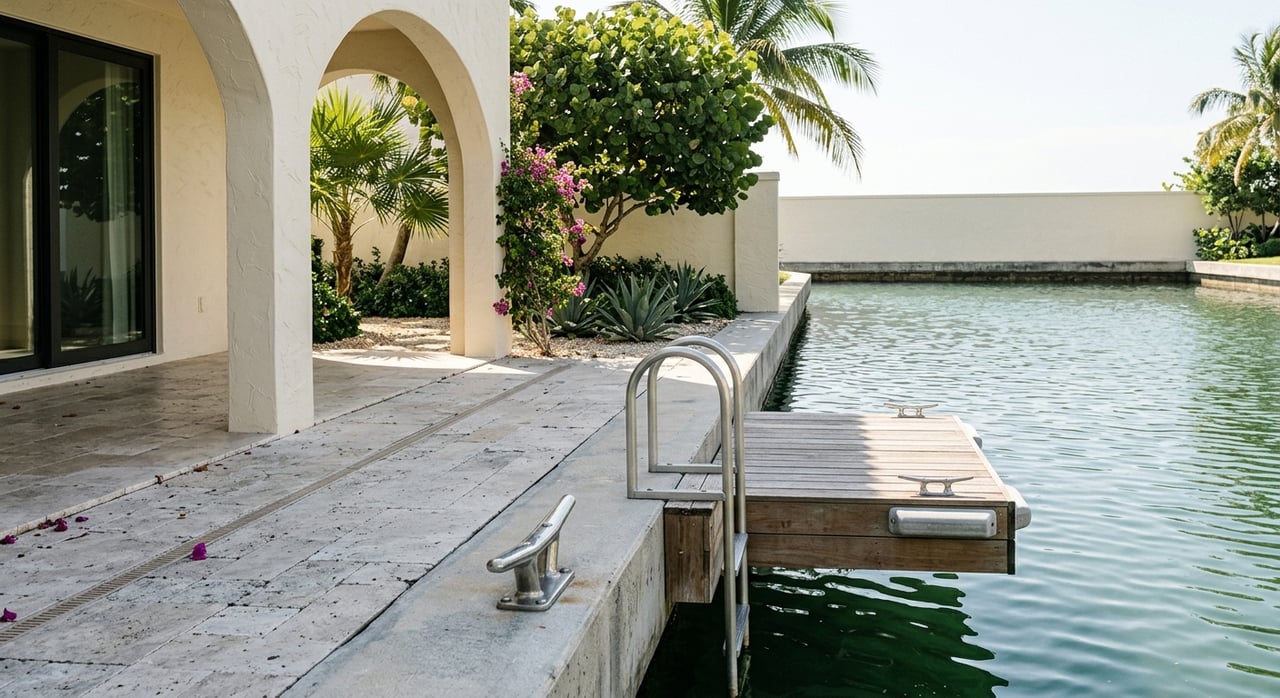
Waterfront or canal properties can have recorded easements, access corridors, or limitations. Read title exceptions carefully and review with your title company. Confirm dock, seawall, and access details during inspections and due diligence.
Wire fraud is a known risk in real estate. Always confirm wiring instructions by calling the title company at a verified number. Never rely only on an email. Your title company should have clear fraud prevention procedures.
90 to 120 days out
60 to 30 days before closing
30 to 7 days before closing
Closing day and after
You can relocate to Boca Raton with clarity and control when you follow a proven plan. From virtual tours and inspections to remote closings and move-in logistics, you have a roadmap that fits Palm Beach County realities. If you want a hands-on partner to coordinate each step and tailor options to your goals, connect with Rachel Hutchings to schedule a free consultation.
Stay up to date on the latest real estate trends.



If you're ready for a dedicated real estate partner who will champion your success, let's connect and discuss how I can help you begin your next chapter.