Are you torn between the energy of Atlantic Avenue and the calm of waking up to ocean waves on A1A? You are not alone. Many buyers compare Downtown Delray Beach living with true beachfront to see which daily rhythm fits best. In this guide, you will learn how each lifestyle stacks up on homes, walkability, dining, parking, and practical costs like insurance. Let’s dive in.
Snapshot: two great Delray lifestyles
Downtown centers on Atlantic Avenue, Old School Square, and Pineapple Grove. You get a compact, walkable grid with restaurants, galleries, events, and the beach within reach for many addresses. If you want a quick feel for the district, the Downtown Development Authority’s overview of living downtown is a helpful place to start.
Beachfront living on A1A puts sand, sunrise views, and ocean breezes at your door. Many buildings are full-service condos or private homes designed around outdoor living. You can still be close to Atlantic Avenue, but your day is shaped by the beach and your building’s amenities more than by the downtown grid.
Homes and buildings: what you will find
Downtown housing mix
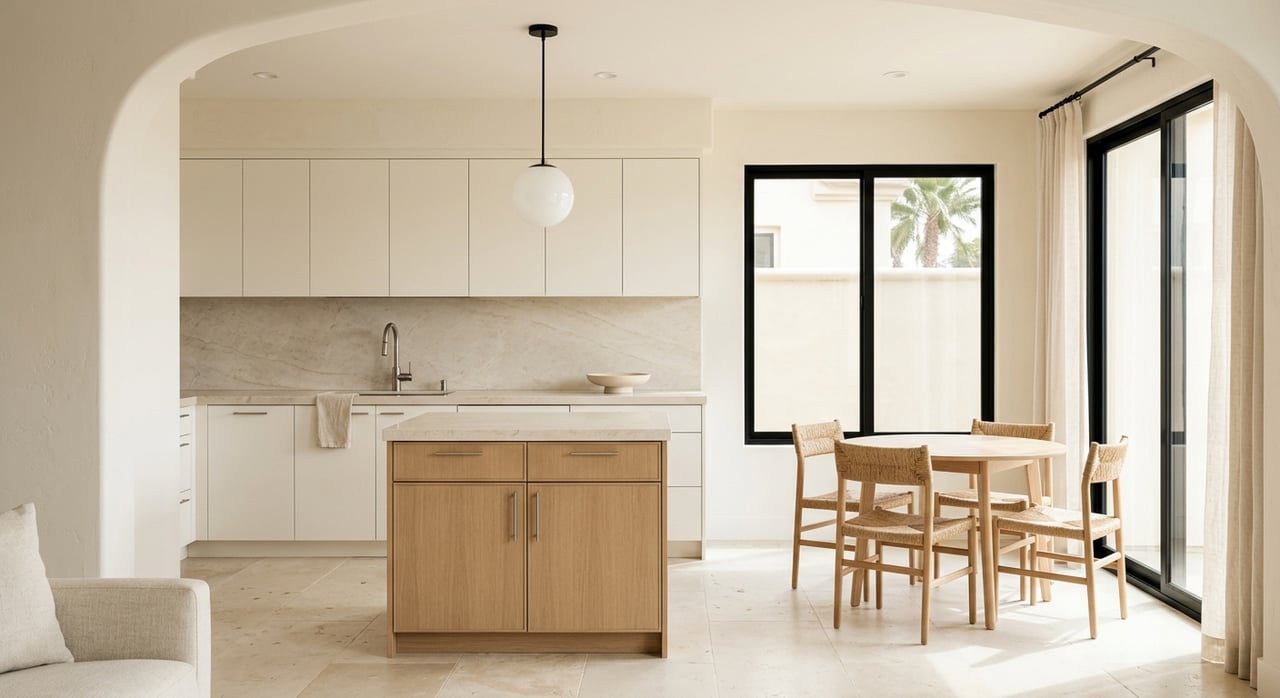
Downtown offers a range of options. You will find low-rise walk-ups, 2–5 story condos, boutique mid-rises, and townhomes, plus some renovated historic cottages. Proximity to Atlantic Avenue often commands a lifestyle premium since you can walk to coffee, dinner, and events.
Beachfront housing mix
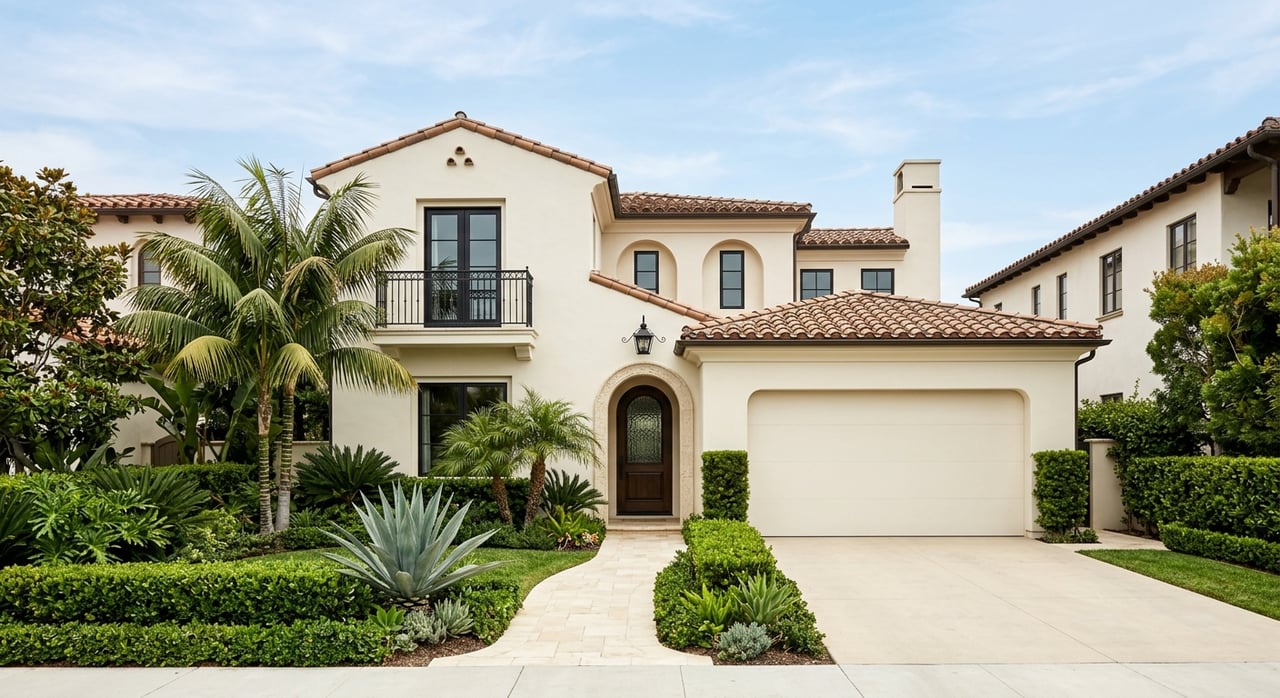
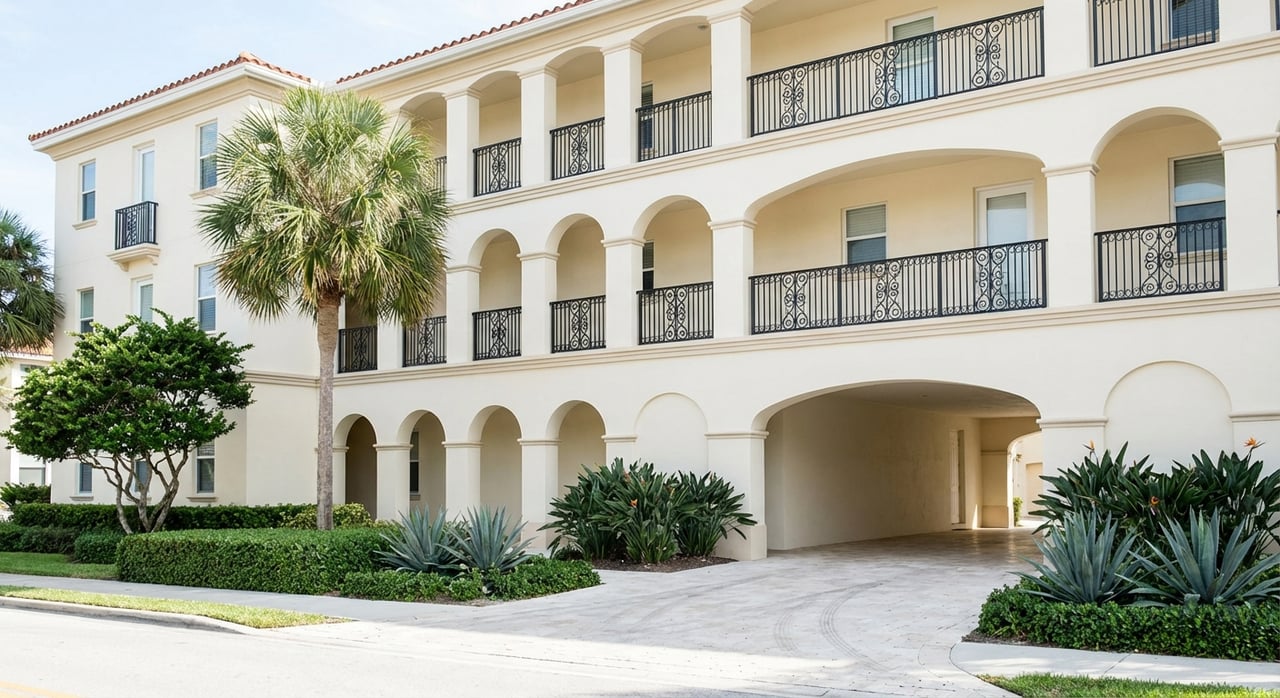
On A1A you will see more oceanfront high-rises with staffed lobbies, pools, fitness areas, and valet, along with private single-family properties. Direct beach access and unobstructed views are the main value drivers. Fewer small walk-up condos show up here compared with downtown.
What moves price and monthly cost
- View and access premium. Ocean views and direct sand access typically price higher per square foot than similar-sized inland units. Downtown addresses near Atlantic Avenue also trade at a premium for walkability.
- HOA and reserves. Oceanfront buildings often carry larger exterior maintenance budgets tied to wind, salt, and storm readiness. Those needs can show up in HOA dues or special assessments. Downtown buildings may have strong amenities too, but usually face less direct salt exposure.
- Insurance and flood. Two insurance lines matter near the coast: homeowners and flood. Pricing for flood coverage is now property-specific under FEMA’s Risk Rating 2.0, so distance to water, elevation, and structure type can change your quote. Always get property-level quotes early.
As a city-level reference point, the Zillow Home Values Index showed a typical Delray Beach home value around $337,600 as of Jan 31, 2026. Neighborhood and building differences are significant, especially east of Federal and near the water, so use specific comps for each property.
Walkability and getting around
On foot
If you want to walk to errands, dining, and nightlife most days, Downtown Delray is built for it. Walk Score data classifies central East Delray as highly walkable, and you can explore the city overview on Walk Score’s Delray page.
Beachfront walkability varies by block. Addresses closest to Atlantic Avenue can put you moments from restaurants and shops, while stretches further north or south feel quieter and more car-dependent. A quick test walk around any building you like is the best way to gauge your routine.
Transit options
Delray’s Tri-Rail and Amtrak station at 345 S. Congress Ave. connects you to regional rail. If you plan to commute or prefer less driving, review the Tri-Rail overview for The Palm Beaches. Around downtown, you will also see microtransit and free circulators that make short trips easier.
Parking reality
- Downtown. Expect a mix of assigned building spaces and municipal garages. The Old School Square Garage serves many residents and visitors, and availability can tighten during events. Check the Old School Square information page and this practical parking guide for Delray Beach when you compare addresses.
- Beachfront. Many oceanfront condos include deeded or valet parking, and single-family homes typically offer private driveways or garages. Public beach lots can be busy on peak days, so plan guest parking in advance.
Lifestyle: dining, culture, and beach time
Atlantic Avenue energy
Downtown is your hub for restaurants, bars, galleries, and community events. Signature experiences like Savor the Avenue highlight the dining scene and bring extra buzz, especially in the winter season. If you enjoy regular date nights, gallery walks, and morning coffee on foot, downtown fits the bill.
Beachfront rhythm
Living on A1A is about sunrises, sea breezes, and quick access to the sand. You can still meet friends at the beach end of Atlantic Avenue, but your daily routine may lean more toward early walks, water time, and sunset views from your balcony.
Culture anchors
Old School Square, the Pineapple Grove Arts District, and the Sandoway Discovery Center contribute to a year-round cultural calendar. Downtown residents have these hubs close at hand, while beachfront residents dip in as they wish and return to quieter shoreline evenings.
Ownership details that matter
Flood, storms, and resilience
- Start with maps. For any beachfront or low-elevation property you consider, check the NOAA Sea Level Rise Viewer to understand scenarios and use FEMA flood maps for current zone designations. These tools help you frame risk and insurance needs.
- Expect property-specific flood pricing. Under FEMA’s Risk Rating 2.0, factors like elevation, distance to water, and replacement cost shape your premium. Always request a current quote from both NFIP and private carriers.
- Watch beach projects. The City partners with the U.S. Army Corps of Engineers on renourishment. Learn about the partnership in the Jacksonville District’s Delray Beach renourishment announcement. Timing does not change your flood zone overnight, but it can affect beach width and resilience.
Condo specifics and building health
Florida law requires condominium associations to carry a master property policy and defines what the association covers versus what is the unit owner’s responsibility. Review Florida Statute Section 718.111 along with the association’s current policy, deductible, reserve study, budgets, minutes, and any special-assessment history. If the building is older, ask about recent inspections and planned structural work.
Maintenance and salt exposure
Coastal living increases wear on metal, railings, HVAC, pools, and exterior envelopes. For single-family beachfront homes, request recent reports on seawalls, dunes, and major systems. For condos, review the timeline and funding for façade, roof, and garage projects so you understand near-term and long-term costs.
Which one fits your day
- Choose downtown if you picture yourself walking to a Pilates class, grabbing a patio brunch on Atlantic Avenue, spending an hour at Old School Square, and meeting friends for dinner without getting in the car. The beach is still an easy reach, and your schedules revolve around the neighborhood’s cultural calendar.
- Choose beachfront if your non-negotiable is sunrise coffee on the balcony, toes in the sand before noon, and a quiet evening listening to the ocean. You can pop over to Atlantic Avenue when you like, but your home base is the shoreline.
Smart buyer checklist
Use this quick checklist when you compare Downtown vs Beachfront listings:
- Do a day-and-night vibe test. Visit the block on a weekday evening and a weekend peak to note foot traffic and noise. The DDA’s downtown guide can help you map the walk-shed.
- Confirm parking. Is your space deeded, assigned, or valet, and what are the guest policies? Review the Old School Square Garage details and this local parking guide for downtown context.
- Order insurance quotes early. Get homeowners and flood quotes for each property. Use FEMA’s Risk Rating 2.0 as your framework and ask for property-specific numbers.
- Check flood and elevation. Pull current flood-zone maps and use the NOAA Sea Level Rise Viewer to understand scenarios at the parcel level.
- Review condo docs. For condos, request the master policy, deductible, minutes, reserve study, budgets, and any assessment history. Use Florida Statute 718.111 as your baseline.
- Note seasonal patterns. Expect more events and visitors in peak season, which can impact parking and wait times downtown.
Final thoughts and next steps
Both Downtown Delray Beach and A1A beachfront living deliver a standout lifestyle. Your decision comes down to what you want at your doorstep most days. If you weigh walkability, dining, and arts more heavily, downtown will likely feel like home. If ocean access, sunrise views, and a resort-like rhythm are your priorities, beachfront is hard to beat.
If you want a side-by-side, property-level comparison with walk-time maps, parking details, insurance quotes, and HOA insights, reach out to Rachel Hutchings. Schedule a free consultation and get a curated list of homes that fit the way you live.
FAQs
Is Downtown Delray Beach noisy at night compared to A1A beachfront?
- Downtown blocks closest to Atlantic Avenue have more nightlife energy, while many beachfront blocks are quieter aside from ocean sounds and occasional hotel or seasonal activity.
How walkable is Downtown Delray Beach without a car?
- Central East Delray is highly walkable for daily errands and dining according to Walk Score’s Delray overview, and many addresses are within a short walk of Atlantic Avenue.
What should I know about flood insurance for oceanfront vs downtown condos?
- Flood premiums are property-specific under FEMA’s Risk Rating 2.0, so distance to water and elevation matter; request quotes for each listing and confirm the condo’s master policy and deductible.
How does beach renourishment affect Delray Beach owners on A1A?
- Renourishment helps maintain beach width and resilience but does not change flood-zone designations overnight; watch project updates and plan for timing during ownership.
Where do residents and guests typically park in Downtown Delray Beach?
- Many buildings include assigned or deeded spaces and residents rely on municipal garages like Old School Square, with guest options that vary by building and event schedule.
Are short-term rentals allowed in Downtown Delray or on A1A?
- Rules vary by condo or HOA and by city permitting requirements; verify association rental caps and obtain any required city registrations before counting on rental income.